
Most soy sauce is not gluten free. Traditional soy sauce is brewed from soybeans and wheat. The FDA describes soy sauce as “ordinarily made by fermenting a mixture of soybeans and wheat”, so regular soy sauce isn’t safe for people with celiac disease.
Safe options do exist: tamari made without wheat, and soy sauces labeled gluten free, such as Kikkoman’s gluten-free soy sauce, which is certified by the Gluten-Free Certification Organization.
Last reviewed: November 12, 2026, by the GF Scanner Team. Sources are listed at the end of this page.
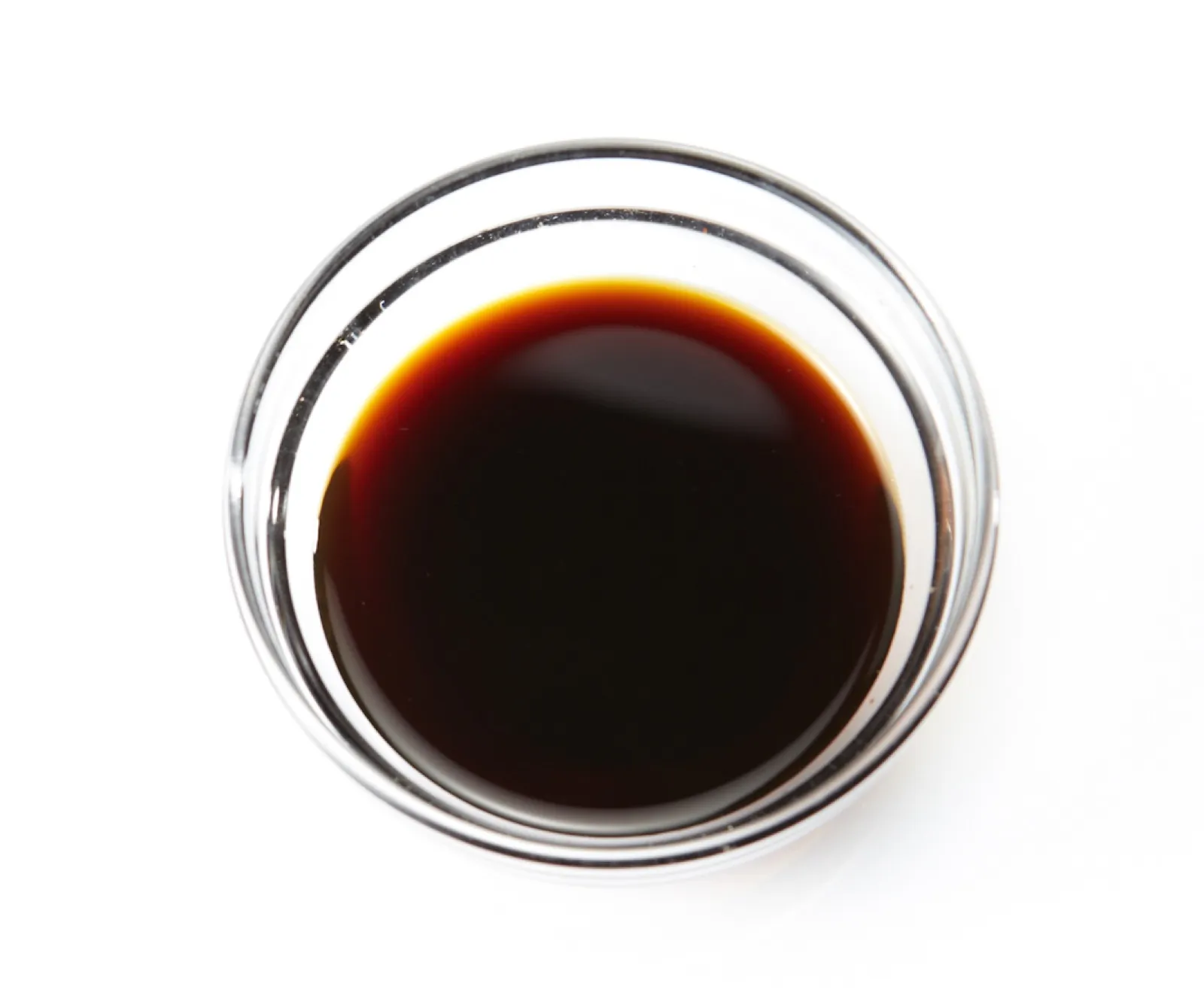
Photo: National Institute of Korean Language, CC BY-SA 2.0 KR, via Wikimedia Commons
Teriyaki, marinades and dressings often hide soy sauce. GF Scanner flags it on the label.
Get GF Scanner →Table of contents
Open Table of contents
Quick answer
| Product | Gluten free? |
|---|---|
| Regular soy sauce (light, dark, Japanese, Chinese) | No: brewed with wheat |
| Tamari | Only if made without wheat; check the label |
| Soy sauce labeled gluten free | Yes |
| Teriyaki, hoisin, oyster sauce, ponzu | Usually not; many contain soy sauce |
| Coconut aminos | Usually yes; check the label |
Is tamari always gluten free?
Not always. Tamari is traditionally made with little or no wheat, and the Celiac Disease Foundation notes that tamari made without wheat is gluten free. But some brands do add wheat, so only buy tamari that says gluten free.
Gluten-free soy sauce brands
Kikkoman sells a gluten-free soy sauce and a gluten-free tamari in the US. Kikkoman says they’re certified gluten free (under 10 ppm) by the Gluten-Free Certification Organization. Kikkoman’s regular soy sauce contains wheat. Always check the bottle in front of you.
Eating sushi or ordering Chinese? Find restaurants with gluten-free soy sauce near you in GF Scanner.
📲 Get GF Scanner on the App StoreSoy sauce at restaurants
Soy sauce is the most common hidden gluten in Asian food:
- Sushi: bring your own gluten-free soy sauce packets, and ask about marinated fish, eel sauce and tempura flakes.
- Chinese and Thai food: stir-fries, fried rice and marinades usually contain soy sauce. See our guides to gluten-free Chinese food and Thai food.
- Japan: soy sauce is in almost everything. Our Tokyo guide lists places that use gluten-free soy sauce.
FAQ
Is Kikkoman soy sauce gluten free? Regular Kikkoman soy sauce contains wheat. Kikkoman’s separate gluten-free soy sauce and gluten-free tamari are certified gluten free.
Is tamari gluten free? Tamari made without wheat is gluten free, but some brands add wheat. Buy tamari that is labeled gluten free.
Is teriyaki sauce gluten free? Usually not, because it’s made with regular soy sauce. Look for a teriyaki sauce labeled gluten free.
Is soy sauce gluten free in Japan? Most Japanese soy sauce (shoyu) is brewed with wheat. Bring your own gluten-free soy sauce when you travel.
Is coconut aminos gluten free? Coconut aminos are made from coconut sap and are usually gluten free, but check the label for a gluten-free claim.
More quick answers: Is it gluten free? Our A–Z list, plus is rice gluten free?
Sources
- Questions and Answers: Gluten-Free Food Labeling Final Rule, U.S. Food and Drug Administration
- Sources of Gluten, Celiac Disease Foundation
- Gluten-free products, Kikkoman USA
This page is general information, not medical advice. Recipes and labels change, so always read the label on the product in your hand.
Not sure about a label? Scan it.
GF Scanner reads ingredient labels in seconds, flags hidden gluten and "may contain" warnings, and maps gluten-free restaurants near you.
📲 Download GF Scanner on the App Store