
Let’s start with one that still gets people: hotel breakfast buffet scrambled eggs.
Not from cross-contamination. The eggs themselves — they’re baked with flour added in to make them fluffy. Same goes for the omelets at IHOP, which use pancake batter in the mix. Totally standard practice. Almost nobody tells you until you’ve already eaten them.
That’s the pattern with hidden gluten. It’s rarely the obvious stuff. It’s the flour in your scrambled eggs, the wheat starch binding your vitamins, the barley malt in your breakfast cereal. By the time the celiac community has catalogued a source, dozens of people have already had a reaction to it.
This is that catalogue.
Table of contents
Open Table of contents
Quick Reference: Is It Gluten Free?
If you’re here for a fast answer, start here. Everything in the table gets a full explanation below.
| Food | GF Safe? | Why |
|---|---|---|
| Soy sauce | ❌ Usually not | Wheat-based fermentation in most brands |
| Tamari | ⚠️ Check label | GF by tradition but some brands add wheat or barley |
| Regular oats | ❌ No | Cross-contaminated in production |
| Certified GF oats | ⚠️ Maybe | GF-certified but avenin protein affects some celiacs |
| Malt vinegar | ❌ No | Barley-derived |
| Apple cider vinegar | ✅ Yes | Safe |
| White/red wine vinegar | ✅ Yes | Safe |
| Imitation crab | ❌ Usually not | Contains wheat starch — but GF brands exist |
| BBQ sauce | ⚠️ Check label | Many use wheat thickeners; several brands are GF |
| Soy-based miso | ⚠️ Varies | Some contain barley or wheat |
| Pre-made salad dressings | ⚠️ Check label | Thickeners and malt vinegar are common |
| Licorice candy | ❌ No | Wheat flour as a base ingredient |
| Mentos gum | ❌ No | Contains wheat |
| Beer | ❌ No | Barley-based |
| Most hard ciders | ⚠️ Check label | Usually GF, but craft ciders may have CC issues |
| Spice blends | ⚠️ Check label | Wheat used as filler or anti-caking agent |
| Malt flavoring (Rice Krispies) | ❌ No | Barley-derived malt |
| Cream of mushroom soup | ⚠️ Check label | Most contain wheat; GF versions available |
| Hotel scrambled eggs | ❌ Usually not | Often baked with flour for texture |
| IHOP omelets | ❌ No | Pancake batter mixed into eggs |
| Kroger coleslaw | ❌ No | Contains wheat germ |
| Seasoned/flavored fries | ⚠️ Verify | Seasoning blends often contain flour |
| Medications & vitamins | ⚠️ Check label | Wheat used as a binder (Flintstones vitamins: yes) |
| Seitan | ❌ No | Literally wheat gluten |
| Gummy vitamins & bears | ⚠️ Check label | Starch binders can be wheat-derived |
| Communion wafers | ❌ No | Traditional ones contain gluten |
The Ones That Catch People Every Single Time
Soy sauce
The most cited. Standard soy sauce is fermented with wheat — it’s not incidental, it’s part of the traditional process. At restaurants, assume all soy sauce contains gluten unless they specifically use tamari or a labeled GF version.
The swap: Tamari works as a 1:1 substitute, but read the label — some tamari brands add wheat or barley. If it’s not labeled gluten free, it’s not safe to assume. Coconut aminos are another option and naturally GF; some people find them slightly sweeter.
In some countries (Canada, for example), GF soy sauce is actually easier to find and cheaper than you’d expect. Worth checking local brands rather than defaulting to expensive tamari.
Oats
Regular oats are grown and processed alongside wheat. Cross-contamination is the norm, not the exception. Even if oats are naturally gluten free, almost everything in the supply chain touches wheat.
Certified GF oats (like Bob’s Red Mill) solve the contamination problem — but there’s a separate issue. All oats contain avenin, a protein structurally similar to gluten. A meaningful percentage of celiacs react to avenin even in pure GF oats. So “certified GF oats” is safe for many, but not a universal solution.
“Regular oats are prone to cross-contamination, but some celiacs react to GF oats as well, as all oats contain avenin, a protein with similar structure to gluten. Some of us have immune systems that can’t tell the difference.”
If you’re newly diagnosed, it’s generally recommended to avoid oats entirely for the first 6–12 months, then reintroduce certified GF oats and monitor your reaction.
Malt vinegar
Barley-derived. Any time you see “malt” without further specification in an ingredient list, assume barley. In the US, “malt” in an ingredient list legally means barley malt. Full stop. Apple cider vinegar and wine vinegars are safe substitutes — the fermentation process removes the gluten-containing proteins.
Imitation crab
This one surprises people because it’s seafood-adjacent. Imitation crab (surimi) is made from processed white fish — and wheat starch is used as a binder. Most imitation crab contains gluten. That said, GF versions exist: TransOcean Simply Surimi is one, and some Walmart store brands are labeled GF. Assume it contains gluten at restaurants and in sushi.
The “Wait, What?” Category
These are the ones the community talks about because nobody thinks to warn you.
Hotel scrambled eggs
Already mentioned, but worth repeating because it’s so universal: hotel buffet scrambled eggs are almost always baked (not cooked on a stovetop) and typically contain flour to give them their texture. This isn’t a regional thing or a cheap-hotel thing — it’s standard food service practice.
The same applies to many diner-style scrambled eggs. The IHOP situation is well-documented: their omelets include pancake batter in the mix, and the manager isn’t going to override it even if you ask.
What you can do at sit-down restaurants: ask them to cook your eggs in a clean pan with no additives. Many will, though cross-contamination on shared grills is still a risk.
Vitamins and medications
One community member nearly gave Flintstones vitamins to their celiac spouse. The wheat is right on the label — it just doesn’t register because vitamins aren’t food, conceptually. Wheat starch is used as a binder in a wide range of tablets, capsules, and chewables.
Check every supplement and medication. GF versions often exist — the Walmart Great Value version of Flintstones vitamins is reportedly GF. For medications, your pharmacist can usually tell you and flag alternatives.
Mentos gum
Yes, the gum. Mentos gum contains wheat. Mentos candy (the rolls) do too. This one is unexpected because chewing gum doesn’t feel like a food product that would contain flour.
Rice Krispies (and most name-brand cereals)
Kellogg’s Rice Krispies use malt flavoring derived from barley. They’re not gluten free, despite being literally rice. Off-brand rice puff cereals — Safeway, Kroger store brands — are often actually GF; check the label. Same goes for cornflakes: name-brand versions often contain malt syrup.
Shampoo and body wash
This is genuinely debated in the celiac community, but enough people have had skin reactions (dermatitis herpetiformis, hives) from wheat-containing body products that it’s worth knowing. Shower products get in your mouth more than you’d think. If you’re reacting and can’t find a dietary source, check your shampoo and body wash.
Aveeno products specifically have come up repeatedly in this context.
Play-Doh
If you have kids. It’s wheat-based. Wash hands after, or use a GF alternative.
Restaurant Landmines Specifically
Eating out with celiac is its own skill set. A few traps the community has documented:
Mashed potatoes with filler. Restaurants sometimes add wheat flour to stretch their mashed potato prep. Not labeled, not disclosed. Asking “are the mashed potatoes gluten free?” may get you a confident “yes” from someone who has no idea.
Seasoned or flavored fries. Plain fries in a dedicated fryer are often safe. Seasoned fries — Cajun, garlic, “signature” — frequently use seasoning blends that contain wheat flour as a carrier. Always verify what’s in the seasoning, not just the fries themselves.
“Corn” tortilla chips. Some tortilla chips labeled or described as corn can be cross-contaminated with flour at the supplier level — especially restaurant chips that come from a large food service distributor. Reactions to “definitely corn” chips are documented enough in the community that it’s worth asking where they source them.
The label says “gluten free” but the facility doesn’t. This is the one that creates the most false confidence. A product can carry a GF label based solely on its ingredient list without any certification about its production facility. Look for “produced in a dedicated gluten free facility” or a third-party certification (GFFS, NSF) if you’re highly sensitive. “Wheat-free” and “gluten free” are also not the same thing.
Some Safer Swaps Worth Knowing
Not everything on this list is doom — the community has found reliable alternatives for most of them.
- Soy sauce: San-J or La Choy tamari (both GF-labeled); Coconut aminos
- BBQ sauce: Sweet Baby Ray’s at Aldi (GF); verify per brand
- Cream of mushroom soup: Campbell’s now makes GF versions; Progresso also has one
- Oats: Bob’s Red Mill certified GF oats (if you tolerate avenin)
- Imitation crab: TransOcean Simply Surimi
- Beer: Ciders labeled GF; Glutenberg; Omission (debate exists on this one)
- Rice cereal: Safeway/Kroger store brands often GF; Nature’s Path in Canada
The Honest Problem With Checking Everything
Reading every label every time sounds simple in theory. In practice, it’s exhausting — especially when you’re traveling, at someone else’s house, or standing in an unfamiliar grocery store in front of 40 product options.
The pattern the community keeps describing is this: you know the rules, but gluten hides in the unexpected place, the one time you didn’t check.
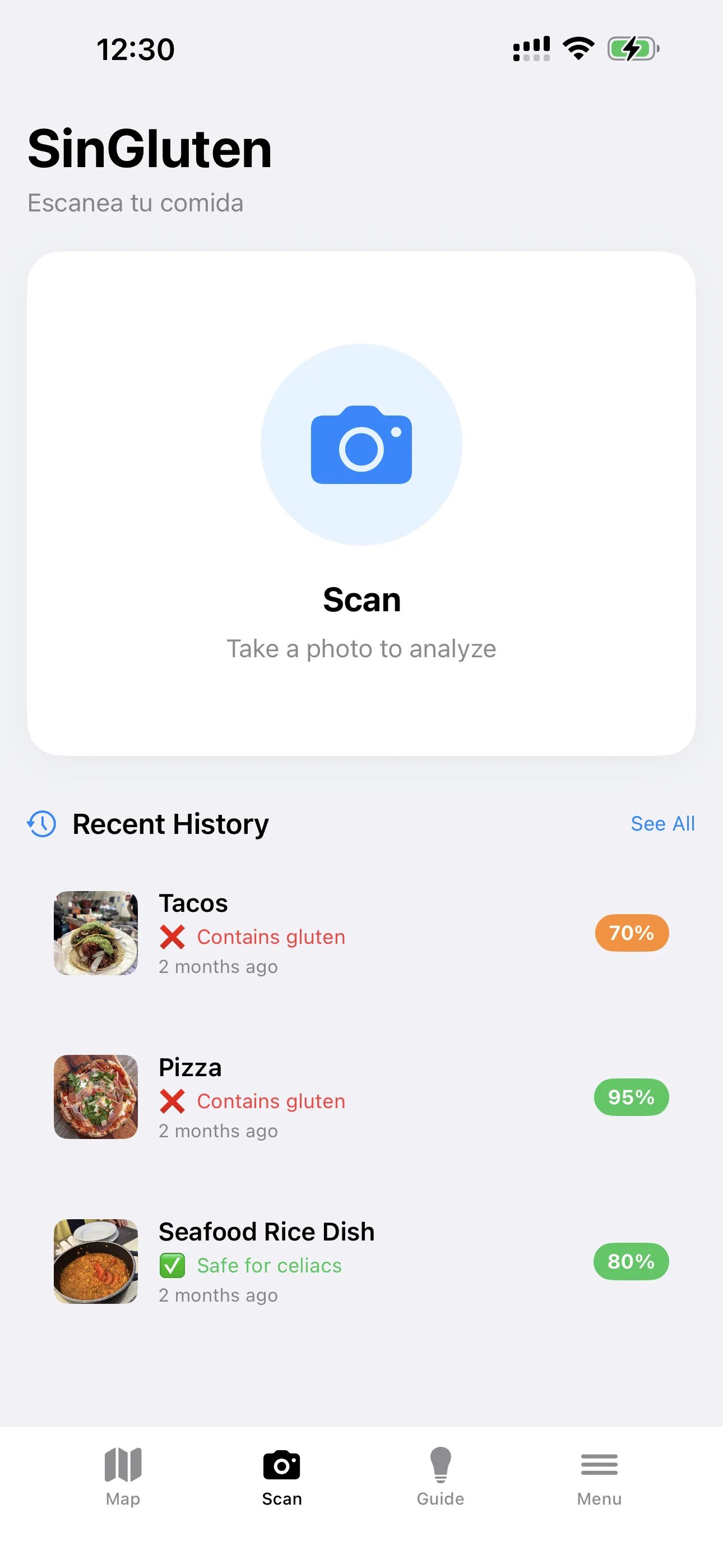
That’s exactly what we built GF Gluten Scanner for. You point the camera at an ingredient list, a label, or even a dish at a restaurant, and it tells you whether it’s safe — in seconds, without you having to know every alias for barley malt or every jurisdiction where “malt” means something different.
It also keeps a history of everything you’ve scanned, so when you find a product that works, you don’t have to check it again next week.
Download GF Gluten Scanner free on the App Store →
One More Thing: “Is It Gluten Free?” Is Sometimes the Wrong Question
A note from the community that stuck with me:
“The biggest things that sneak up are products labeled ‘gluten-free’ or ‘wheat-free’, or inappropriately shelved next to GF items in health food aisles — even in places with strict labelling laws, seeing ‘gluten-free’ on the front of a package can falsely comfort someone into thinking the item is produced in GF facilities. Make sure you’re checking for facility disclaimers, not just labelling or ingredients.”
The question isn’t just “does this contain gluten?” It’s “was this made somewhere that guarantees it wasn’t contaminated?” Those are two different certifications, and only highly sensitive celiacs need to obsess over the second one — but it’s worth knowing the distinction exists.
Start with the ingredient list. Then check for “may contain wheat” or shared facility warnings. Then, if you’ve been reacting to something you can’t identify, go back and look at supplements, personal care products, and the things you’d never think to check.
The list above is a starting point, not a ceiling. Gluten shows up in places the community is still finding. When in doubt — scan it.